

Controlled Wok Stir-Frying The Art of Precise Heat Management: Locking in Crispness and Nutrition
Controlled wok stir-frying is a technique that rapidly cooks ingredients at high heat for a short duration, with precise temperature control. Rooted in traditional Chinese wok cooking and enhanced with modern approaches.
Scientific Principles of Controlled Wok Stir-Frying
The Precise Combination of “High Heat” and “Short Duration”
The core of controlled wok stir-frying lies in managing temperature fluctuations through equipment or technique, avoiding prolonged exposure of ingredients to extreme heat.
Heat Transfer and Reaction Characteristics
After the wok is preheated to an appropriate temperature, ingredients heat rapidly; the surface quickly develops flavor compounds while the interior retains more moisture. Short-duration heating may reduce opportunities for water-soluble nutrients to leach out. Precise temperature control helps avoid localized overheating, reducing the likelihood of charring or excessive formation of high-temperature reaction products.
Preserving Vegetable Texture
Leafy greens and crisp-tender vegetables, when subjected to brief high-heat cooking, may experience rapid softening of cell walls while maintaining a degree of crispness—a textural characteristic often appreciated as a sensory advantage of stir-fried dishes.
Where Tradition Meets Precision
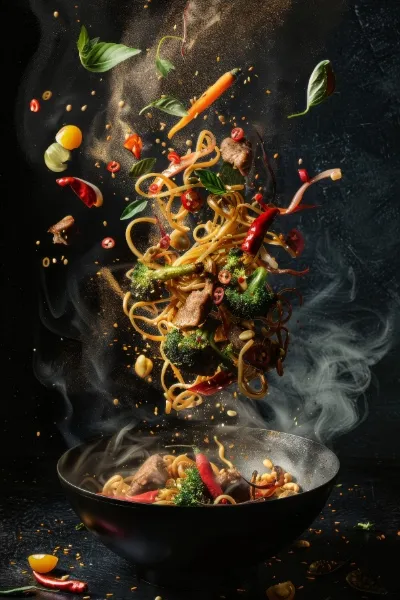
Controlled wok cooking merges centuries-old techniques with a modern understanding of temperature. The right heat at the right moment determines whether vegetables retain their colour, texture, and valuable nutrients – or lose them.
Every ingredient behaves differently in the wok: leafy greens need mere seconds, while denser ingredients require a little more time. This sensitivity to the material is at the heart of wok artistry.
Potential Balance Between Nutrition and Flavor
How Short-Duration Cooking May Affect Nutrient Retention
| Nutrient Type | Characteristics | Potential Advantage of Controlled Stir-Frying |
|---|---|---|
| Water-Soluble Vitamins (C, B-complex) | Sensitive to heat and time | Short-duration cooking may help minimize loss |
| Fat-Soluble Nutrients (Carotenoids) | Modest fat aids release | Moderate heating may improve absorption |
| Proteins | High heat promotes Maillard reactions | Surface develops flavor, interior stays tender |
| Oxidative Reaction Products | Excessive heat may promote oxidation | Time and temperature management provides balance |
Nutrient Retention
Water-soluble vitamins (such as vitamin C and B-complex) are sensitive to heat and time; short-duration cooking may help minimize their loss. Certain fat-soluble nutrients (such as carotenoids) may be more readily released and absorbed under moderate heating with modest amounts of dietary fat.
Synergy of Flavor and Texture
During stir-frying, ingredients’ surfaces may undergo mild Maillard reactions, generating distinctive flavor compounds, while the interior remains tender. This “aromatic exterior, tender interior” quality is one reason stir-frying is often appreciated.
Practical Applications in the Kitchen
At China Restaurant Yung
-
Preheating and Temperature Control
Select dishes utilize preheated woks with temperature monitoring, aiming to complete cooking within an appropriate temperature range and avoid excessive heat or significant fluctuations
-
Precise Timing
Stir-frying emphasizes “second-level” operation; we adjust the order of adding ingredients and stirring frequency based on ingredient characteristics to ensure even heating
-
Oil Usage Reference
Some dishes incorporate modest amounts of plant oil to assist heat transfer and flavor development; you may adjust based on personal preferences or consult our staff
-
Serve Promptly
Stir-fried dishes are best enjoyed soon after preparation to experience optimal texture and flavor
Balanced Perspective: Applications and Considerations
May Be Suitable For
Leafy greens, crisp-tender vegetables, thinly sliced meats, and similar ingredients. Those seeking the distinctive “wok hei” aroma and crisp-tender mouthfeel. Stir-frying completes cooking in a short time, making it suitable for efficient meal preparation.
Worth Noting
Stir-frying must still ensure ingredients reach safe consumption temperatures. Oil quantities can be adjusted based on personal needs. Frequency of high-heat cooking is best balanced with gentler methods as part of a diversified dietary strategy.
The Way of Heat
Controlled wok stir-frying is a heat-conscious culinary choice. Through precise temperature and time management, it seeks balance between flavor, texture, and nutrition. We recommend combining various cooking methods based on personal taste preferences and nutritional needs for a well-rounded diet.
The Controlled Stir-Fry Formula
Precise Temperature + Short High Heat + Modest Oil + Fresh Ingredients = Balance of Wok Hei and Nutrition
At China Restaurant Yung, we offer controlled wok stir-fry dishes for your consideration—feel free to choose based on your preferences.
[cy_kitchen]
[cy_authority]
Note: This article is intended for general informational purposes only and does not replace medical advice, diagnosis, or treatment. For health concerns, please consult your physician.
Image source: Adobe Stock